Hernia Surgery Punjab

Mon - Sat: 10:00 AM - 5:00 PM +91 82641-60001 bgcibathinda@gmail.com
Contact us for care and appointment information

Patient Guide

Everything you need to know about hernia surgery preparation and recovery

What is Hernia?

A hernia occurs when an organ or tissue pushes through a weak spot in the surrounding muscle or connective tissue. Hernias can occur in different parts of the body. A clinician should assess the type, symptoms and risks before advising whether observation or a procedure is appropriate.
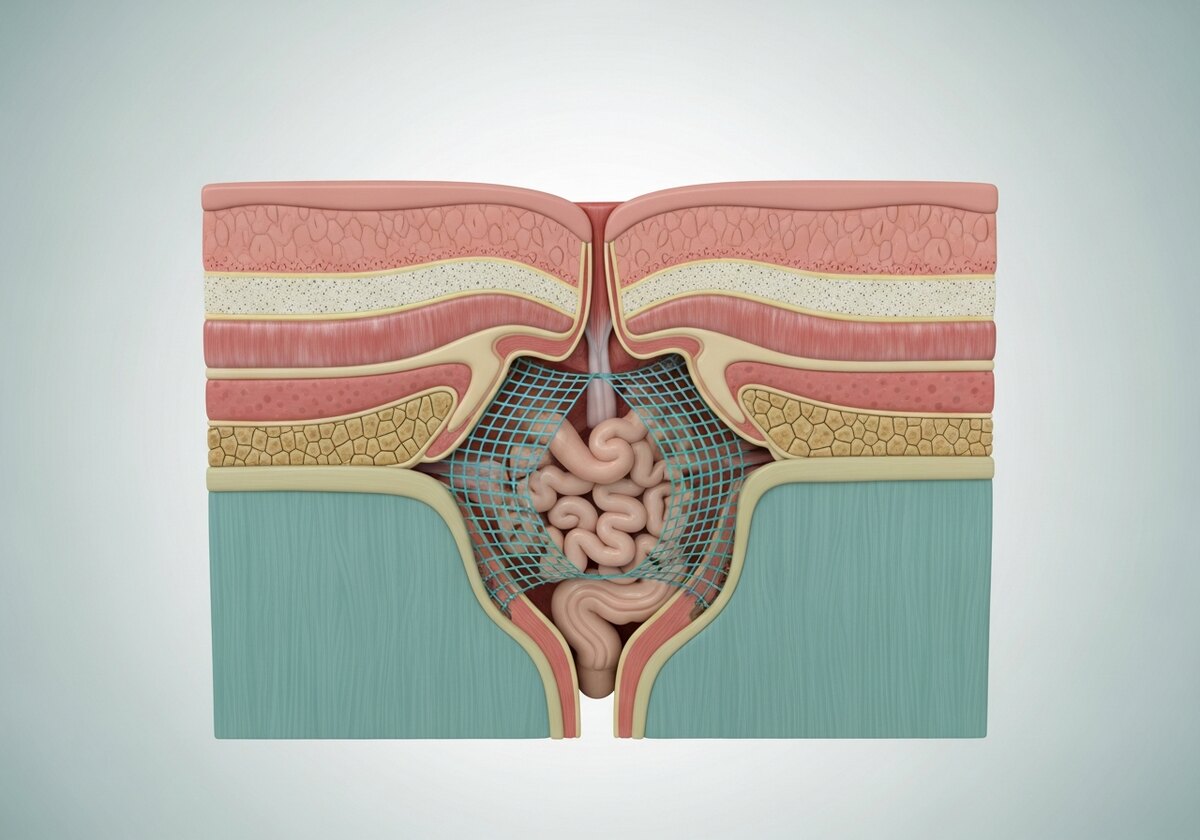
Hernia Anatomy

When to Consult a Surgeon?

You should consult a surgeon if you notice:

  • A visible bulge or lump in the abdomen or groin
  • Pain or discomfort, especially when bending, coughing, or lifting
  • A bulge that becomes more prominent over time
  • Any hernia symptoms that are worsening
  • Emergency: Severe pain, vomiting, or a hernia that becomes hard and cannot be pushed back

What Tests Are Needed?

Before hernia surgery, your doctor may recommend the following tests:

  • Physical Examination: The surgeon will examine the hernia site
  • Ultrasound: To confirm the diagnosis and assess the hernia
  • Blood Tests: CBC, blood sugar, kidney function, liver function
  • ECG: For patients above 40 years or with heart conditions
  • Chest X-Ray: To assess lung function
  • CT Scan: For complex or large hernias

Before Surgery Guide

1 Week Before

  • Stop smoking and alcohol consumption
  • Avoid blood-thinning medications (as advised)
  • Maintain a healthy diet
  • Arrange for someone to drive you home after surgery

1 Day Before

  • Fast for 6-8 hours before surgery (no food or drink)
  • Take a shower and clean the surgical area
  • Get a good night's sleep
  • Pack a small bag with essentials

Morning of Surgery

  • Do not eat or drink anything
  • Take regular medications with a small sip of water (if advised)
  • Wear comfortable, loose-fitting clothes
  • Arrive at the hospital on time

What to Bring

  • Insurance documents and ID proof
  • Previous medical records and test reports
  • List of current medications
  • Comfortable clothing for discharge

Surgery Day Guide

1
Admission

Complete hospital admission formalities and paperwork.

2
Pre-Op Preparation

Vital signs check, IV line insertion, and surgical site preparation.

3
Anesthesia

General anesthesia is administered for laparoscopic surgery.

4
Surgery

The laparoscopic repair takes 30 minutes to 2 hours.

5
Recovery Room

Monitoring in the recovery room for a few hours post-surgery.

6
Discharge

Most patients are discharged the same day or next morning.

After Surgery Recovery

First Week

  • Rest and avoid strenuous activities
  • Take prescribed pain medications
  • Keep the wound clean and dry
  • Walk short distances daily
  • Avoid lifting anything heavier than 2-3 kg
  • Shower after 48 hours (keep incision dry)

Weeks 2-4

  • Gradually increase activity level
  • Return to work (desk jobs)
  • Continue walking regularly
  • Avoid heavy lifting (more than 5 kg)
  • Attend follow-up appointment

Weeks 4-6

  • Resume most normal activities
  • Light exercise can begin
  • Driving is usually permitted
  • Heavy lifting restrictions are gradually lifted

Long Term

  • Maintain a healthy weight
  • Avoid smoking
  • Use proper lifting techniques
  • Regular follow-ups as advised

Diet After Surgery

Foods to Eat

  • High-protein foods (eggs, fish, chicken, lentils)
  • Fresh fruits and vegetables
  • Whole grains (oats, brown rice)
  • Plenty of water (8-10 glasses daily)
  • Fiber-rich foods to prevent constipation
  • Yogurt and probiotics

Foods to Avoid

  • Carbonated drinks (cause gas and bloating)
  • Spicy and fried foods
  • Heavy, greasy meals
  • Large portions
  • Constipating foods (white bread, cheese)
  • Alcohol and smoking

Activity Restrictions

ActivityWeek 1Weeks 2-3Weeks 4-6
WalkingShort walksNormal walkingUnrestricted
DrivingNoShort distancesUnrestricted
Desk WorkRestCan resumeUnrestricted
Heavy LiftingNo liftingMax 5 kgGradual increase
ExerciseNoLight stretchingModerate exercise
Sexual ActivityAvoidWhen comfortableUnrestricted

Warning Signs After Surgery

Contact your doctor immediately if you experience:

  • Fever above 101 F (38.3 C)
  • Increasing pain or swelling at the incision site
  • Redness, warmth, or pus from the incision
  • Bleeding from the incision
  • Difficulty breathing
  • Persistent nausea and vomiting
  • Inability to pass gas or have bowel movements
  • Severe abdominal pain
Hospital Contact: +91 82641-60001 (Call to confirm current appointment and care information.)

Have Questions About Your Surgery?

Our team is here to guide you through every step of your hernia treatment journey.

Contact Us
Dr. Raman Garg — Book a Consultation
WhatsApp Call Now Book Appointment