Hernia Surgery Punjab

Mon - Sat: 10:00 AM - 3:00 PM +91 82641-60001 bgcibathinda@gmail.com
24/7 Emergency Support Available

Patient Guide

Everything you need to know about hernia surgery preparation and recovery

What is Hernia?

A hernia occurs when an organ or tissue pushes through a weak spot in the surrounding muscle or connective tissue. Hernias most commonly occur in the abdomen, but can also appear in the upper thigh, belly button, and groin areas. A hernia does not get better on its own and surgery is the only permanent cure.
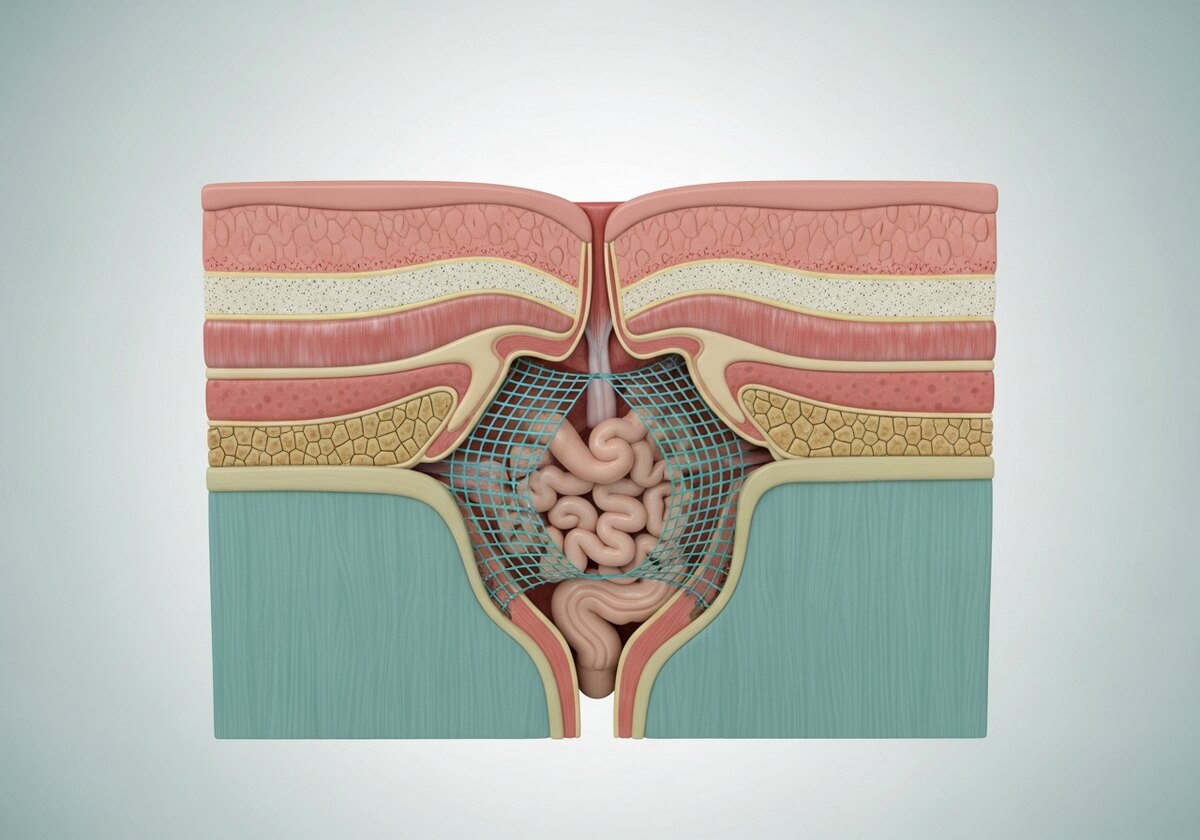
Hernia Anatomy

When to Consult a Surgeon?

You should consult a surgeon if you notice:

  • A visible bulge or lump in the abdomen or groin
  • Pain or discomfort, especially when bending, coughing, or lifting
  • A bulge that becomes more prominent over time
  • Any hernia symptoms that are worsening
  • Emergency: Severe pain, vomiting, or a hernia that becomes hard and cannot be pushed back

What Tests Are Needed?

Before hernia surgery, your doctor may recommend the following tests:

  • Physical Examination: The surgeon will examine the hernia site
  • Ultrasound: To confirm the diagnosis and assess the hernia
  • Blood Tests: CBC, blood sugar, kidney function, liver function
  • ECG: For patients above 40 years or with heart conditions
  • Chest X-Ray: To assess lung function
  • CT Scan: For complex or large hernias

Before Surgery Guide

1 Week Before

  • Stop smoking and alcohol consumption
  • Avoid blood-thinning medications (as advised)
  • Maintain a healthy diet
  • Arrange for someone to drive you home after surgery

1 Day Before

  • Fast for 6-8 hours before surgery (no food or drink)
  • Take a shower and clean the surgical area
  • Get a good night's sleep
  • Pack a small bag with essentials

Morning of Surgery

  • Do not eat or drink anything
  • Take regular medications with a small sip of water (if advised)
  • Wear comfortable, loose-fitting clothes
  • Arrive at the hospital on time

What to Bring

  • Insurance documents and ID proof
  • Previous medical records and test reports
  • List of current medications
  • Comfortable clothing for discharge

Surgery Day Guide

1
Admission

Complete hospital admission formalities and paperwork.

2
Pre-Op Preparation

Vital signs check, IV line insertion, and surgical site preparation.

3
Anesthesia

General anesthesia is administered for laparoscopic surgery.

4
Surgery

The laparoscopic repair takes 30 minutes to 2 hours.

5
Recovery Room

Monitoring in the recovery room for a few hours post-surgery.

6
Discharge

Most patients are discharged the same day or next morning.

After Surgery Recovery

First Week

  • Rest and avoid strenuous activities
  • Take prescribed pain medications
  • Keep the wound clean and dry
  • Walk short distances daily
  • Avoid lifting anything heavier than 2-3 kg
  • Shower after 48 hours (keep incision dry)

Weeks 2-4

  • Gradually increase activity level
  • Return to work (desk jobs)
  • Continue walking regularly
  • Avoid heavy lifting (more than 5 kg)
  • Attend follow-up appointment

Weeks 4-6

  • Resume most normal activities
  • Light exercise can begin
  • Driving is usually permitted
  • Heavy lifting restrictions are gradually lifted

Long Term

  • Maintain a healthy weight
  • Avoid smoking
  • Use proper lifting techniques
  • Regular follow-ups as advised

Diet After Surgery

Foods to Eat

  • High-protein foods (eggs, fish, chicken, lentils)
  • Fresh fruits and vegetables
  • Whole grains (oats, brown rice)
  • Plenty of water (8-10 glasses daily)
  • Fiber-rich foods to prevent constipation
  • Yogurt and probiotics

Foods to Avoid

  • Carbonated drinks (cause gas and bloating)
  • Spicy and fried foods
  • Heavy, greasy meals
  • Large portions
  • Constipating foods (white bread, cheese)
  • Alcohol and smoking

Activity Restrictions

ActivityWeek 1Weeks 2-3Weeks 4-6
WalkingShort walksNormal walkingUnrestricted
DrivingNoShort distancesUnrestricted
Desk WorkRestCan resumeUnrestricted
Heavy LiftingNo liftingMax 5 kgGradual increase
ExerciseNoLight stretchingModerate exercise
Sexual ActivityAvoidWhen comfortableUnrestricted

Warning Signs After Surgery

Contact your doctor immediately if you experience:

  • Fever above 101 F (38.3 C)
  • Increasing pain or swelling at the incision site
  • Redness, warmth, or pus from the incision
  • Bleeding from the incision
  • Difficulty breathing
  • Persistent nausea and vomiting
  • Inability to pass gas or have bowel movements
  • Severe abdominal pain
Emergency Contact: +91 82641-60001 (Available 24/7)

Have Questions About Your Surgery?

Our team is here to guide you through every step of your hernia treatment journey.

Contact Us
Dr. Raman Garg — Book a Free Consultation Today
WhatsApp Call Now Book Appointment